25 Apr 2026
The Young Founders at Wahat Al Ain
The Young Founders at Wahat Al Ain
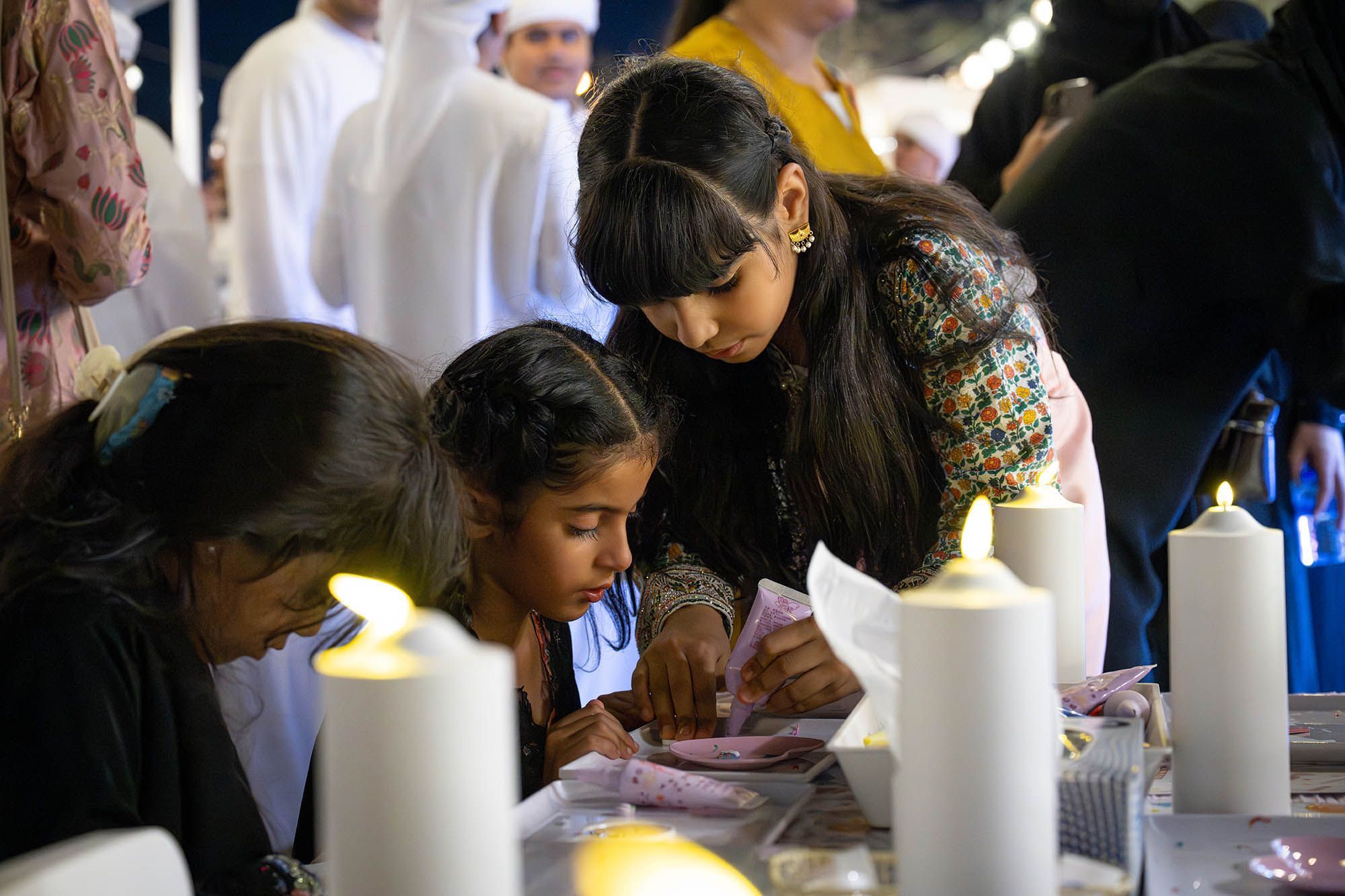
There is something quietly electric about watching a child sell something they've made and turn it into a business.
Over the weekend, I wandered through a children’s outdoor exhibition at the Al Ain Oasis, a place I hold close to my heart. That evening, I found myself moved in the way that only genuinely human things move you. Not by spectacle, but by sincerity.
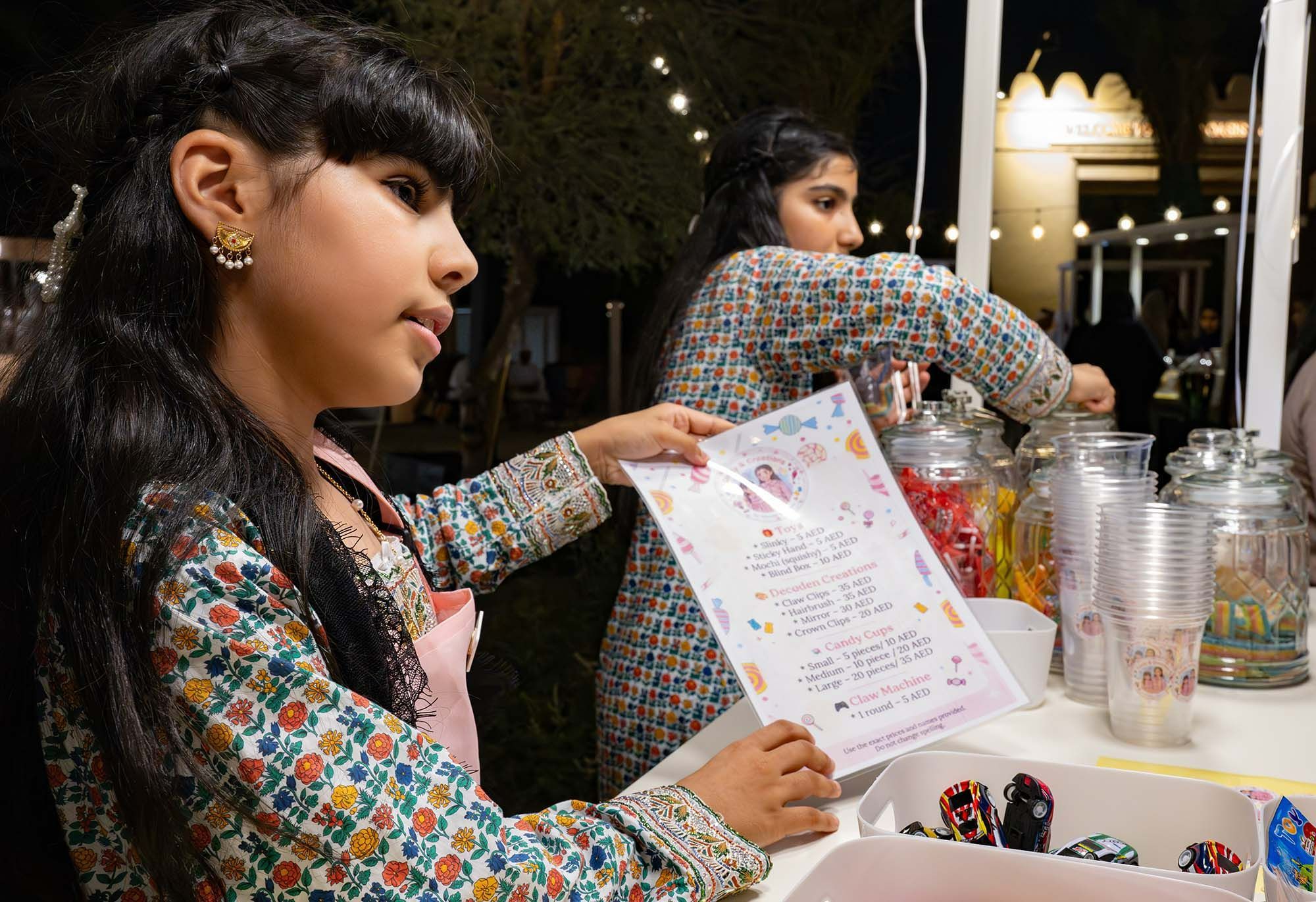
The logos were theirs. The booth designs, the packaging, the sales pitch - all theirs. And the enthusiasm? Entirely, uncontainably theirs.
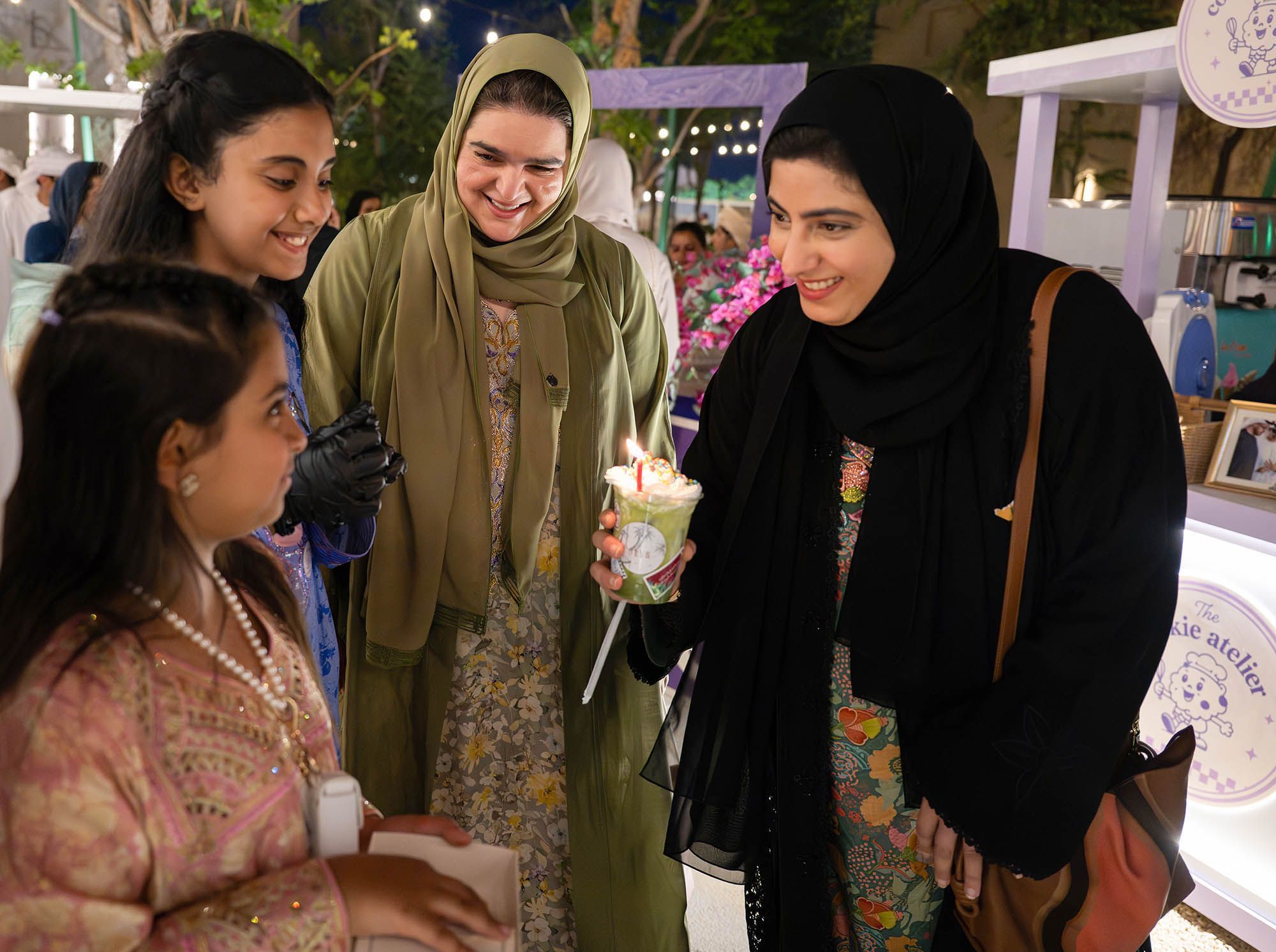
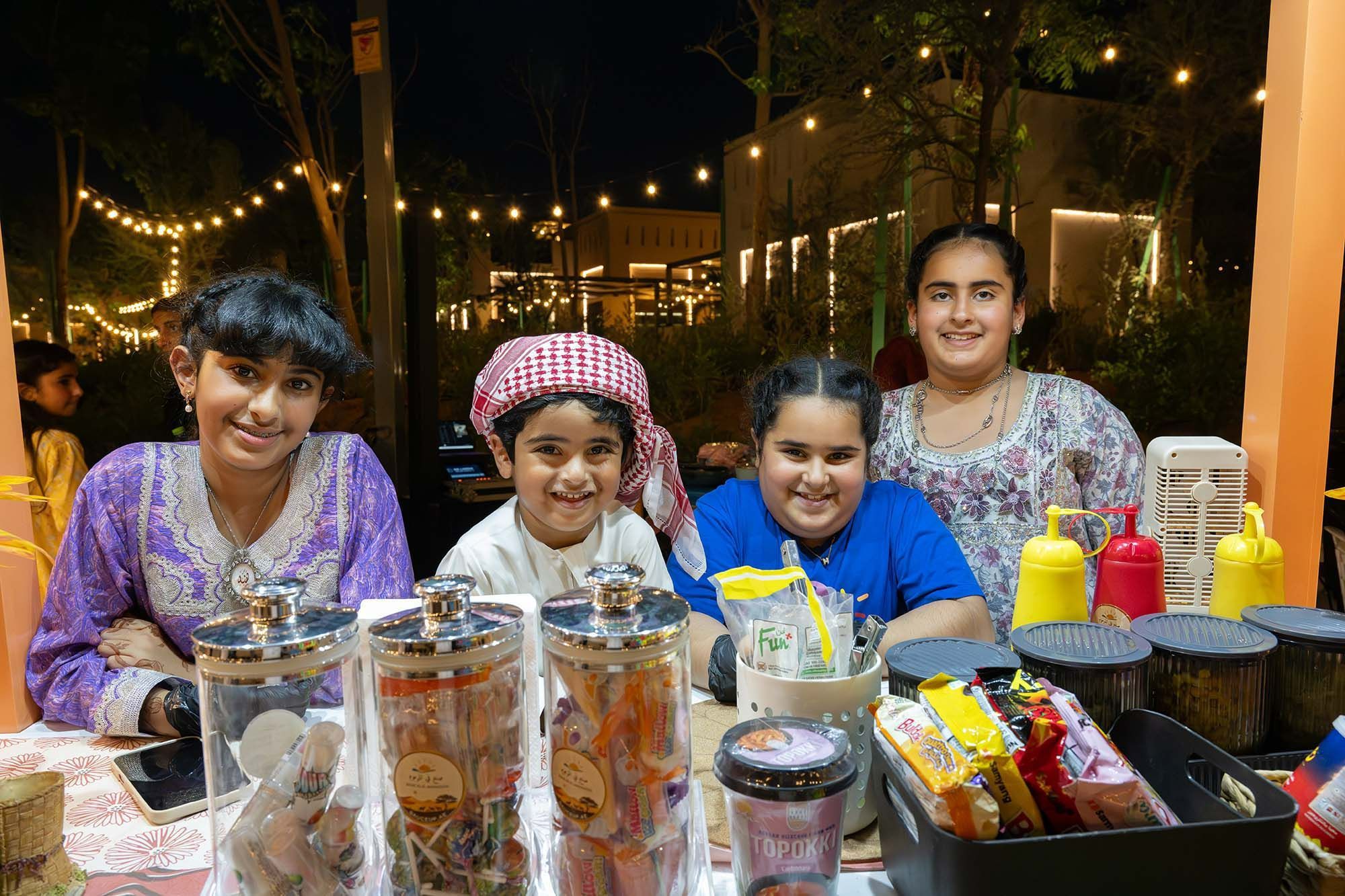
Two young friends stood at their stall practically vibrating with excitement. Not performing enthusiasm. Actually feeling it. There is a difference, and children have not yet learned to fake it. They mentioned that they attend the German school, and I immediately connected with them, having gone to a French school for the early part of my years. It truly shapes you in ways that are hard to describe.
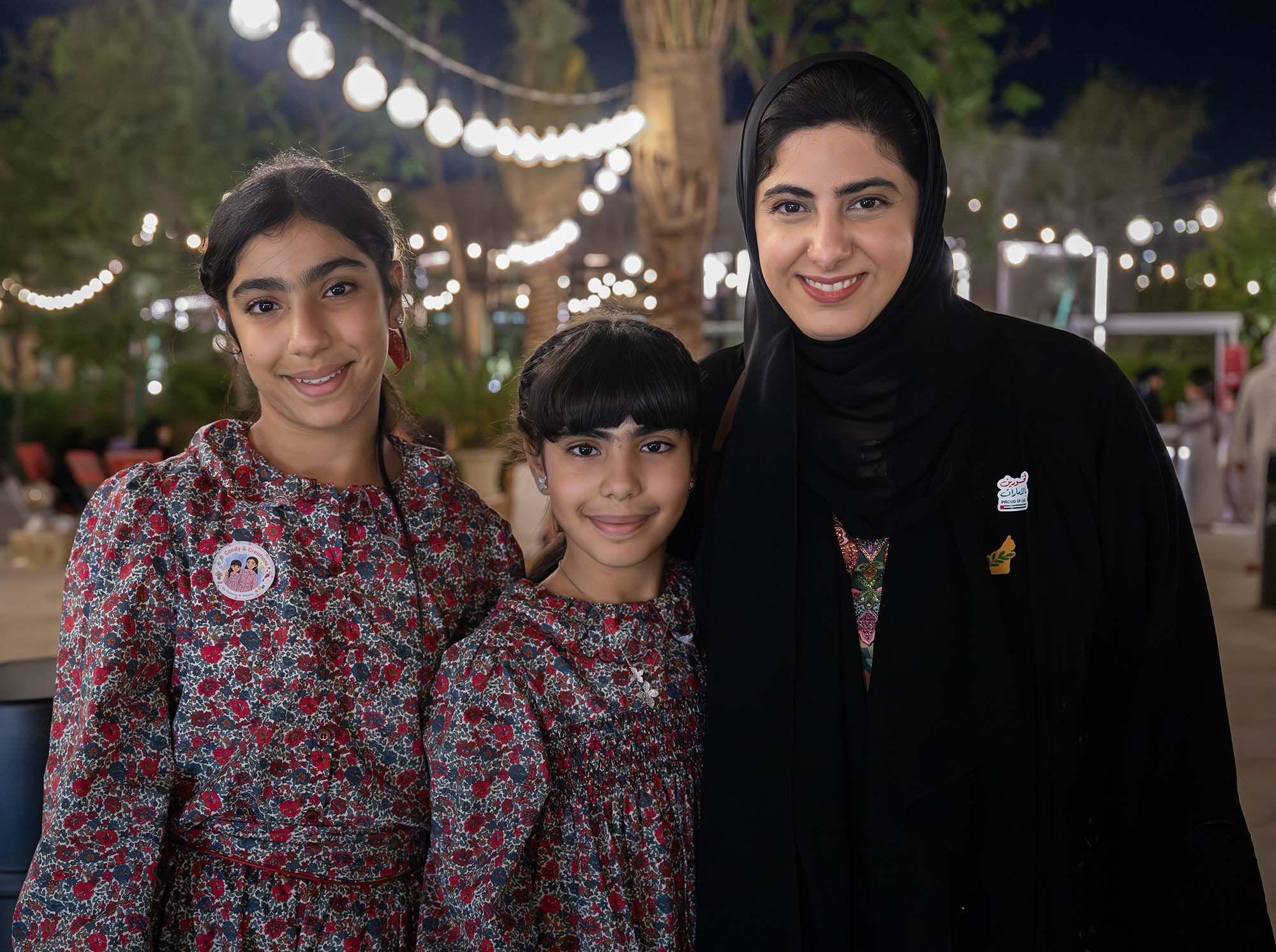
The mother of one family I spoke to was a beacon of light - as a business owner herself, she had passed on her entrepreneurial skills to her young daughters, and they shone through. When I pointed out to one of her daughters how many people were selling cookies, she didn’t wilt. Instead, she stood a little taller and told me she wasn’t selling cookies, she was offering workshops. I thought about that for a long time afterward. She had already understood something many adults spend years unlearning: that the answer to a crowded market is not to join it, but to leave it.
Another wonderful example was Salama, a young businesswoman - not in the making but one who has already arrived - who caught me before I could move on. Her persistence alone told me something - she was not waiting to be noticed, she was creating the moment. When I asked what her best-seller was, she didn’t hesitate, didn’t point, didn’t rank. She looked at me with complete conviction and said: “Killa Heluw” which translates to “Everything here is nice.”
I almost laughed at how right she was. She had just demonstrated, in four words in English and only two in Arabic, what most brand consultants charge handsomely to teach. Protect the whole. Never discount a thing.
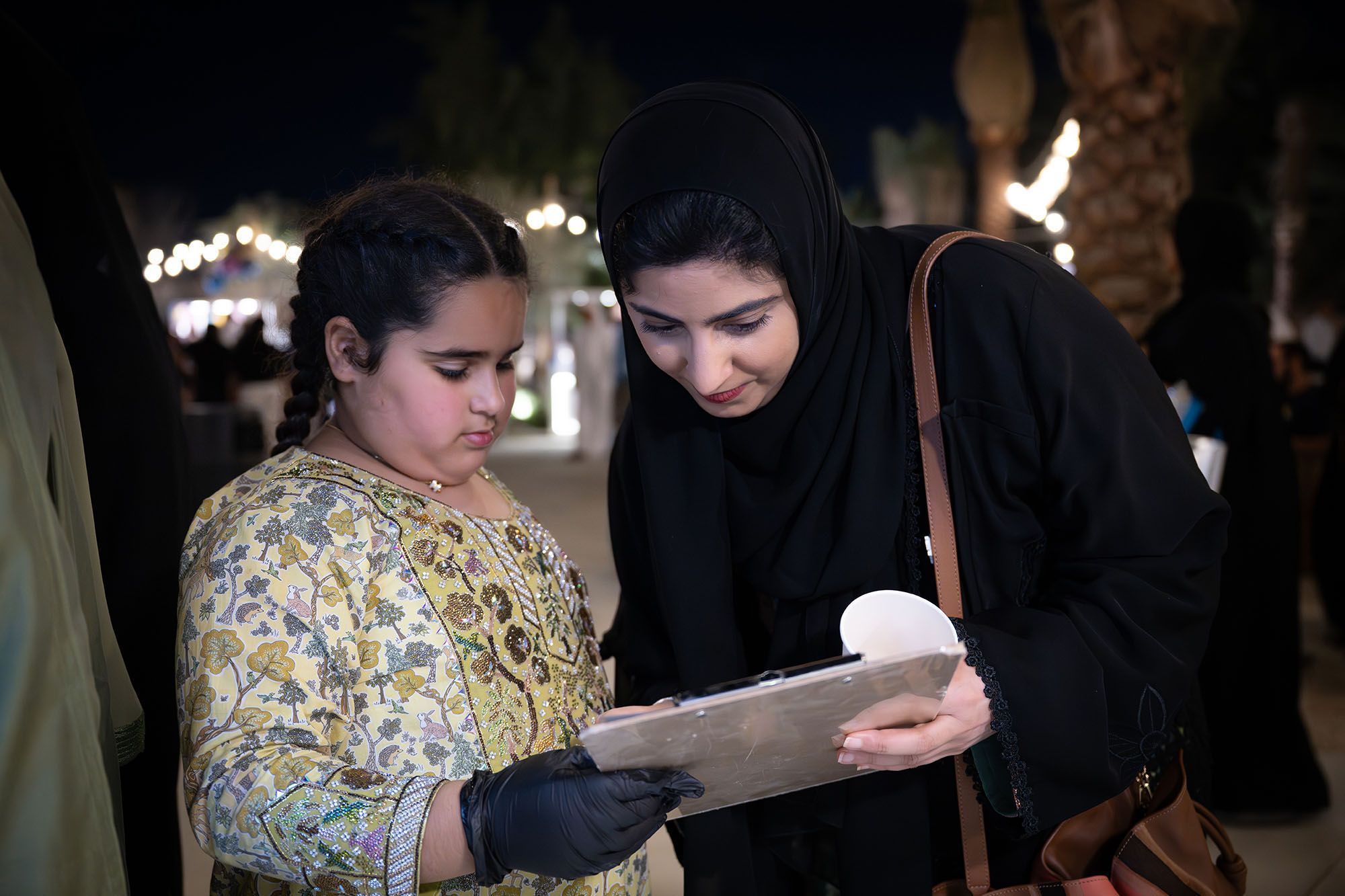
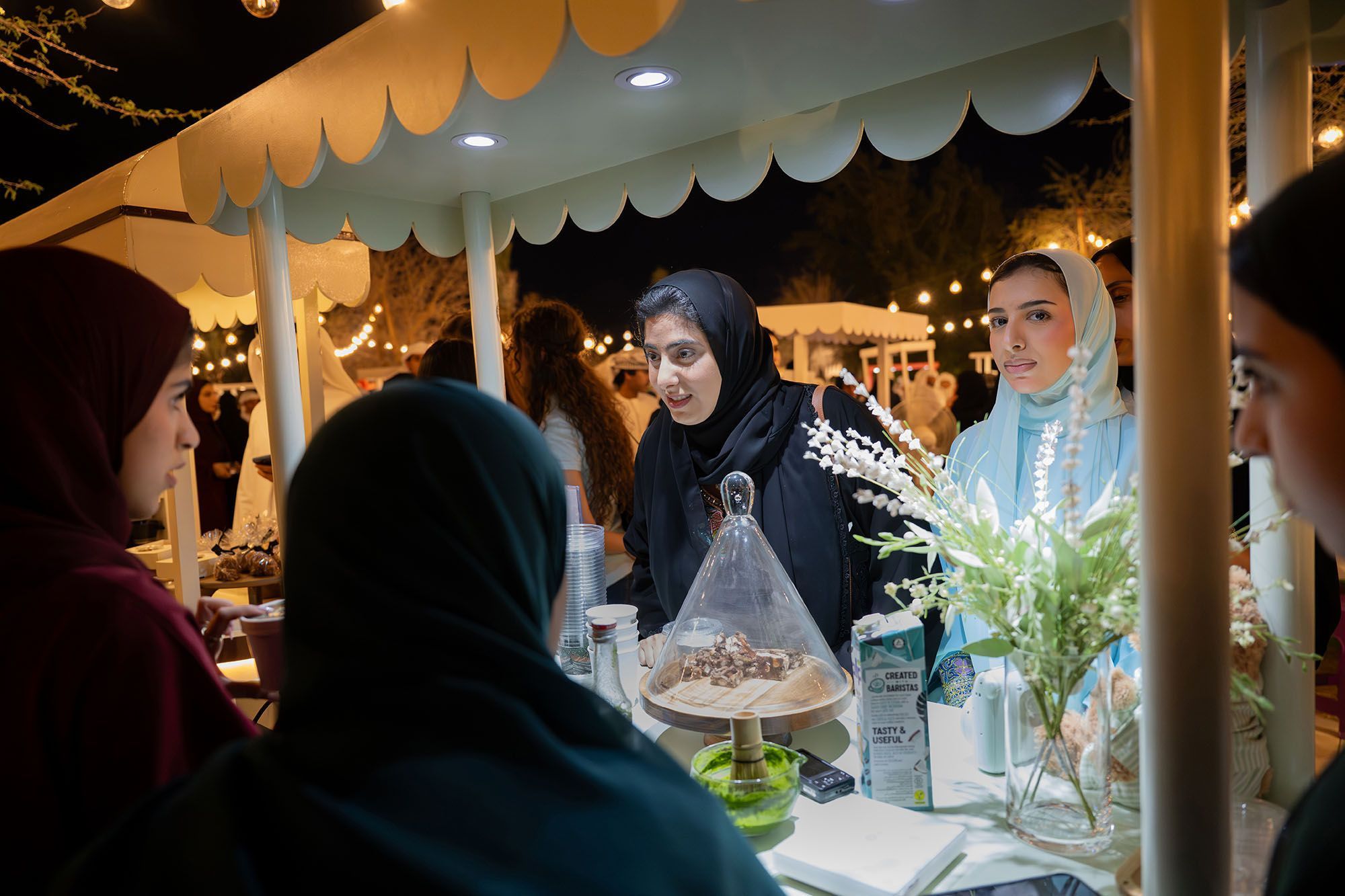
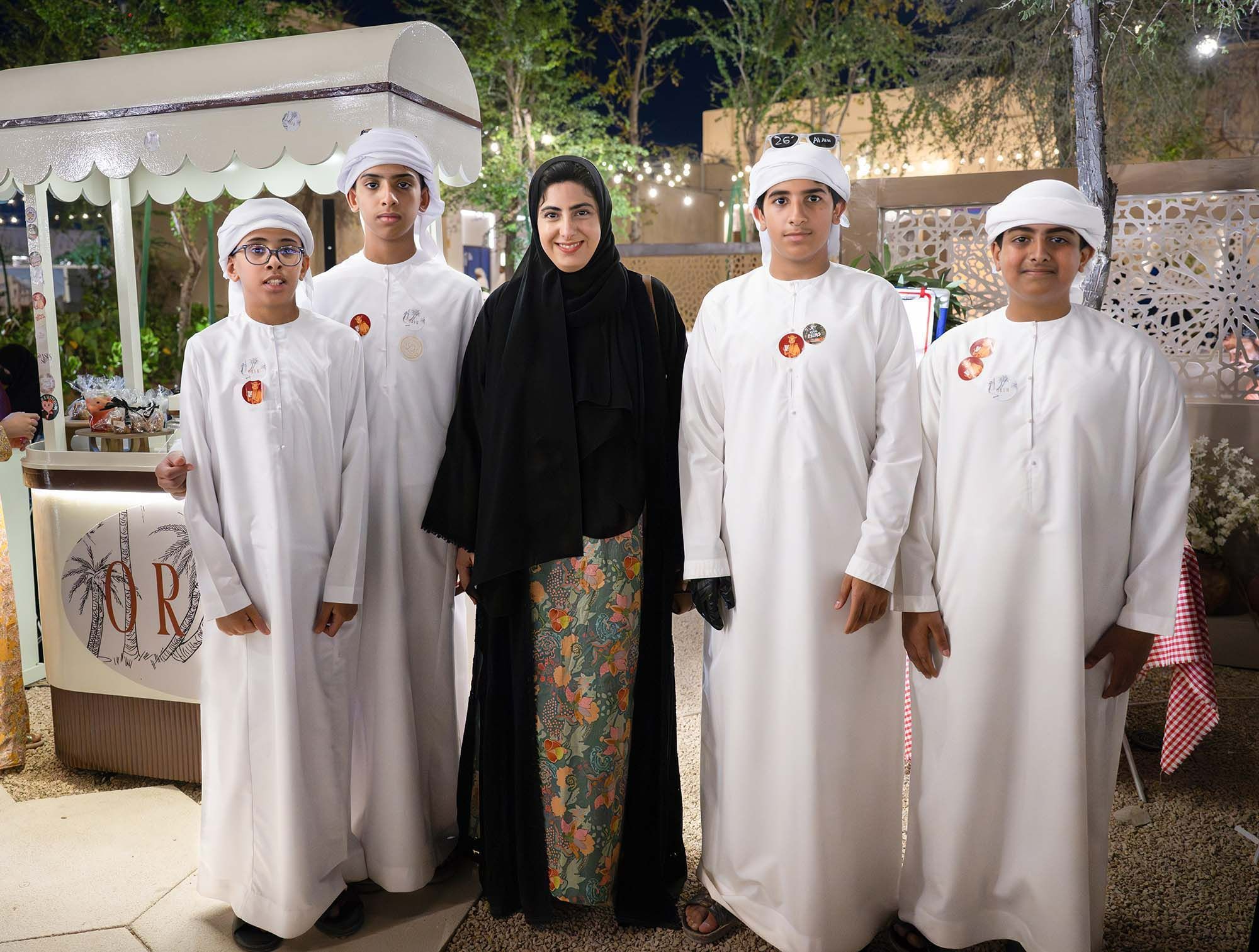
Then there were the young men proudly selling coffee and their cheesecake. I tried to purchase a box, but they wouldn’t sell it to me as it had been squished, and they refused politely. Eventually, after some gentle negotiation, they relented. I was quietly relieved; I was worried the box would simply be thrown away. But what stayed with me was the refusal itself. They had standards. They cared about what carried their name out into the world. That instinct to maintain your product’s integrity, even at the cost of a sale, is one that takes most entrepreneurs years to develop.
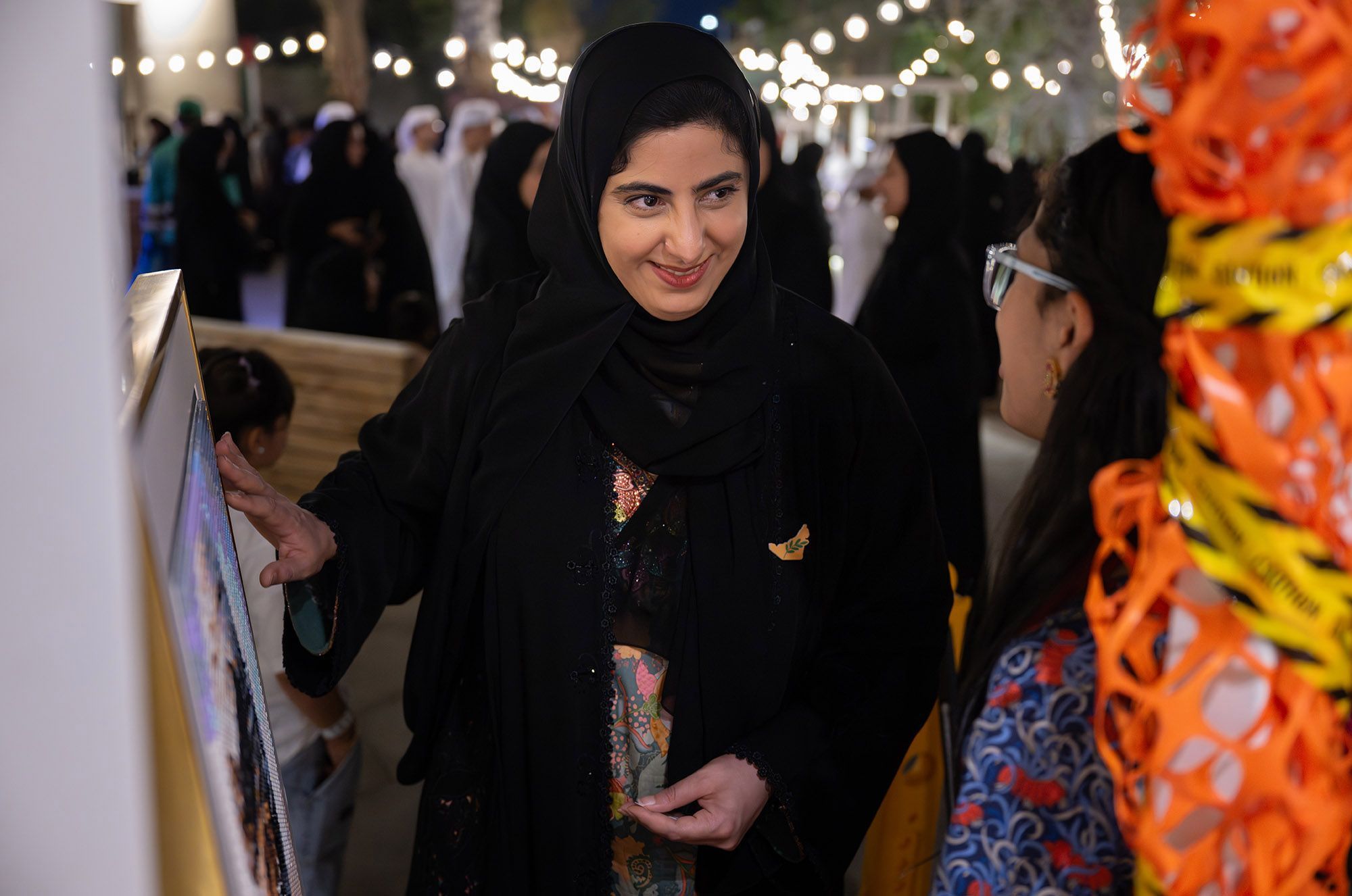
Finally, there was Sheikha Al Kaabi who had created a beautiful LEGO portrait of our President. She explained to me how she uses AI to help her build LEGO masterpieces. Here was a young person who had understood something essential about technology - that it is most powerful not when it replaces your eye, but when it supports your hand. And beyond the method, there was the material itself: LEGO, reimagined and reborn as art. What a brilliant way to give something a second life.
To hear how many children had applied, and how few had made it through, was a quiet lesson. Competition is not a cruel thing. It is a clarifying one.
Entrepreneurship is often spoken about in the language of economics, be it GDP, job creation, innovation or ecosystems. And it is all of those things...however, at its root, it is a character practice. It teaches you the particular humility of making something, putting it into the world, and watching it be received or rejected. It teaches you to look at what the person beside you is doing, not with envy, but with curiosity. It teaches you that improvement is not a destination. It is simply what you continuously do.
We say that startups and small businesses are the backbone of economies. But before they are economic units, they are human ones. They begin with someone who believed a small idea was worth trying, parents that supported them and a community that was there for them. One young lady was beaming with happiness because her grandfather was there and she said he was their biggest supporter.
I left the oasis yesterday thinking we should always just start. Start young. Start uncertain. Start anyway.
The palms in Al Ain did not grow tall by waiting for perfect conditions. They simply grew. And so too, grow the ideas of this next generation of young entrepreneurs.
25 April 2026
The Young Founders at Wahat Al Ain